
By Emily Parrow
August 11, 2026
In the third installment of “Field Notes: Public History in the GAPE,” Director of Museum Affairs and Chief Curator Leslie B. Jones speaks to her work at the Preservation Society of Newport County, also known as the Newport Mansions. Located in Rhode Island, the Preservation Society stewards eleven historic properties, including iconic Gilded Age properties like The Breakers and the oldest and northernmost topiary garden in the country. The Newport Mansions are among the top visited arts and cultural institutions in New England, educating hundreds of thousands of guests annually.
In this interview, Jones explains how the care and interpretation of the Preservation Society’s collections both demonstrate and facilitate the enduring relevance of GAPE history. Learn more about the Preservation Society at newportmansions.org, on Facebook, or on Instagram @newport.mansions.
Tell me a bit about your institution’s scope and focus. What makes it unique?
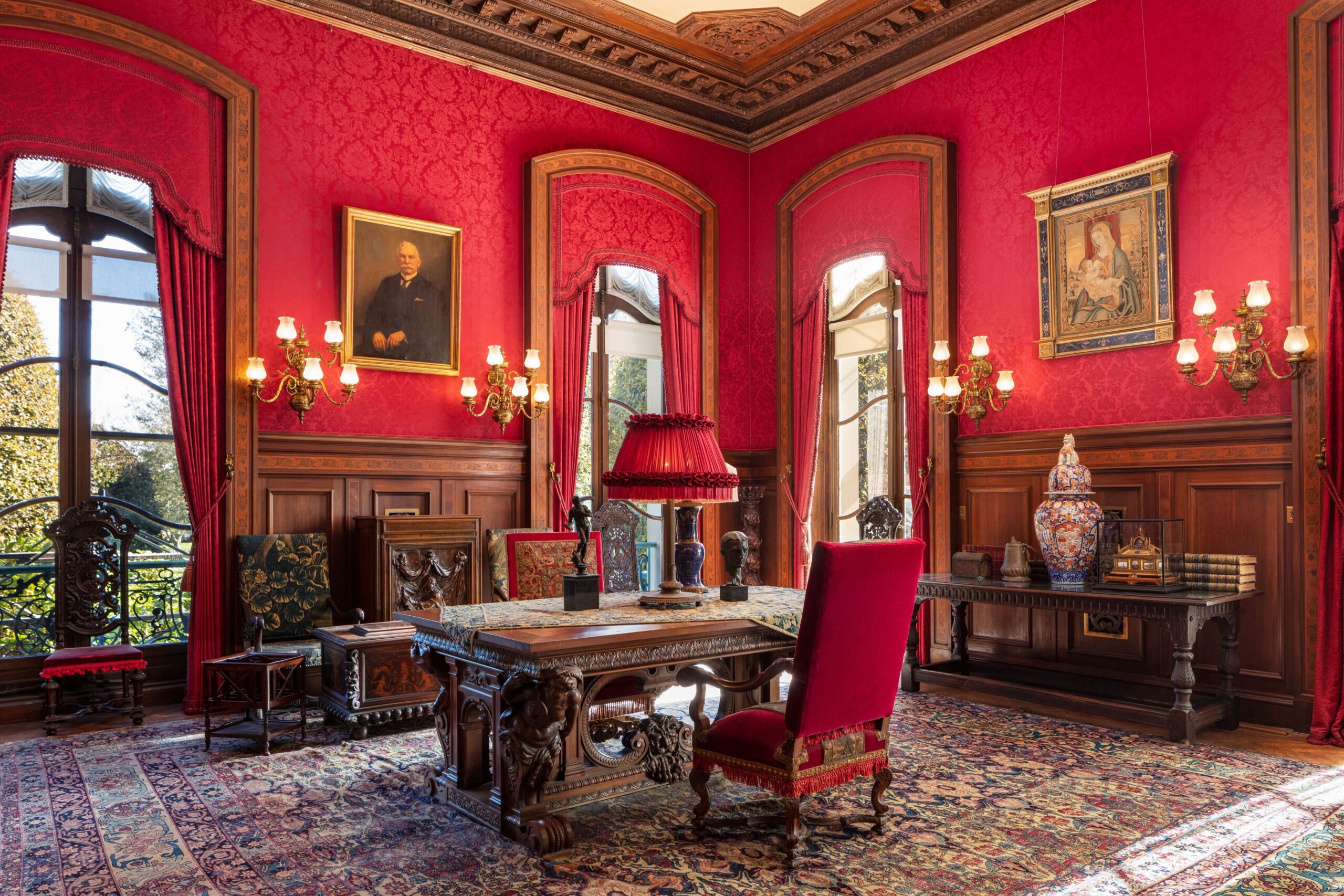
The Preservation Society of Newport County preserves, protects, and presents a unique group of historic sites and works of art in Newport, Rhode Island, which spans the history of American architectural and art historical innovation from the 18th Century through the early 20th Century. Like our city, our collection is distinctive in its size, scale, and history of surviving the passage of time and existing in close proximity to one another. Further, we are a centralized staff who directly attend to all eleven properties and our approximately 100,000 object collection. There is truly no other organization like ours.
How does your institution interpret GAPE history? What tools are you using?
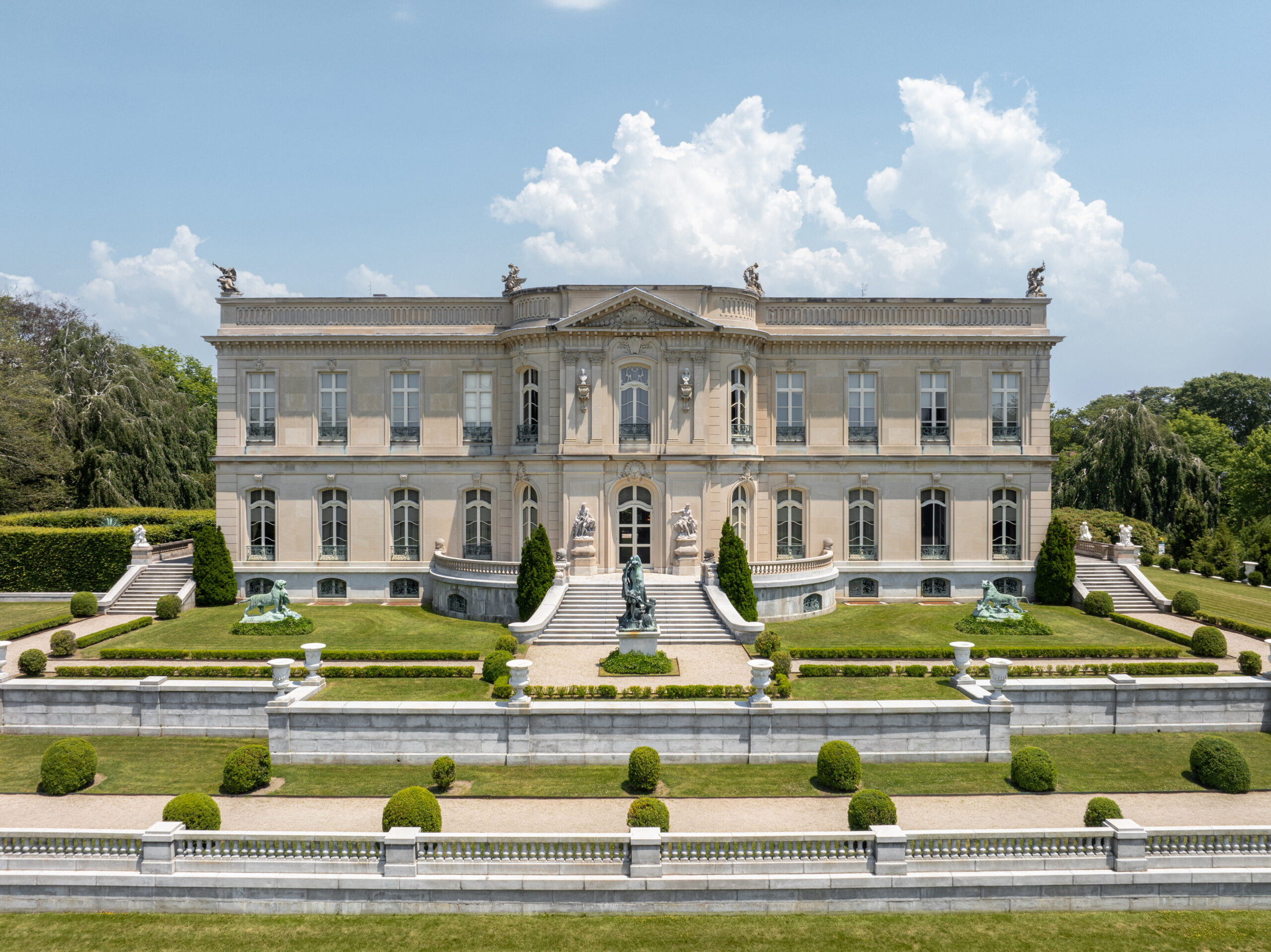
Our guest experience relies mainly on in-person tours, offered by skilled guides or audio narratives provided through our Newport Mansions mobile app. The information for those tour opportunities is based on research past and present; we are constantly learning new details and either discovering or rediscovering information as part of our process. As most of these sites were designed as seasonal homes and not as future museums, their interior furnishings and ephemeral materials do not all survive in Newport or otherwise. There are, of course, spaces like Marble House, Kingscote, and Chepstow that do have a robust, original collection. While we organize our interpretation experiences by location, our research and collections care are comprehensive as knowledge of each site and object feeds the others in various contexts. For the public, fine art, ephemera, decorative arts, and architectural detail are employed to communicate ideas of visual and social history.
Tell me about your role. What does a typical day look like for you?
There is no typical day in Newport, weather or otherwise. With collections ranging in age from 500 BCE to 1974, decaying architecture, and evolving environmental concerns, we manage our days based on proactive and reactive priorities. My role oversees our collection, interpretation and education operations, including collections management, collections research, exhibitions, conservation, and programming. These various teams work together as a departmental unit to ensure a unified presentation and understanding of our sites and their histories.
Can you describe a noteworthy finding, exciting research rabbit trail, encouraging public response, or other insight that recently occurred or stands out to you?
One of the most potent examples of “crowd sourcing” information was our 2024 initiative to further document and commemorate the 1974 contemporary outdoor sculpture exhibition in Newport, titled Monumenta. Fifty years ago, the event lasted several months, showcasing relatively unknown artists at the time, many of whom are now the greatest names in American abstract sculpture. We engaged all living artists and deceased artist estates or representatives along with a public call for photos and memories. The response was overwhelming. As a result, we were able to contribute thousands of previously unknown images, dozens of oral histories, and important journalistic reflections on the importance of this event, all of which were entered into a pre-existing yet slim archival collection at Salve Regina University. While it is not Gilded Age history, per se, the artists of the period created site-specific works in conversation and in reaction to our sites at Chateau-sur-Mer and The Elms. That contemporary interaction with the past is a necessary, beneficial way for the Preservation Society to find connection with the public, across time. History—whether social, architectural, or art—is not isolated. It informs our today and shapes our tomorrow.
Who is your audience? Does that shape your presentation of this history?
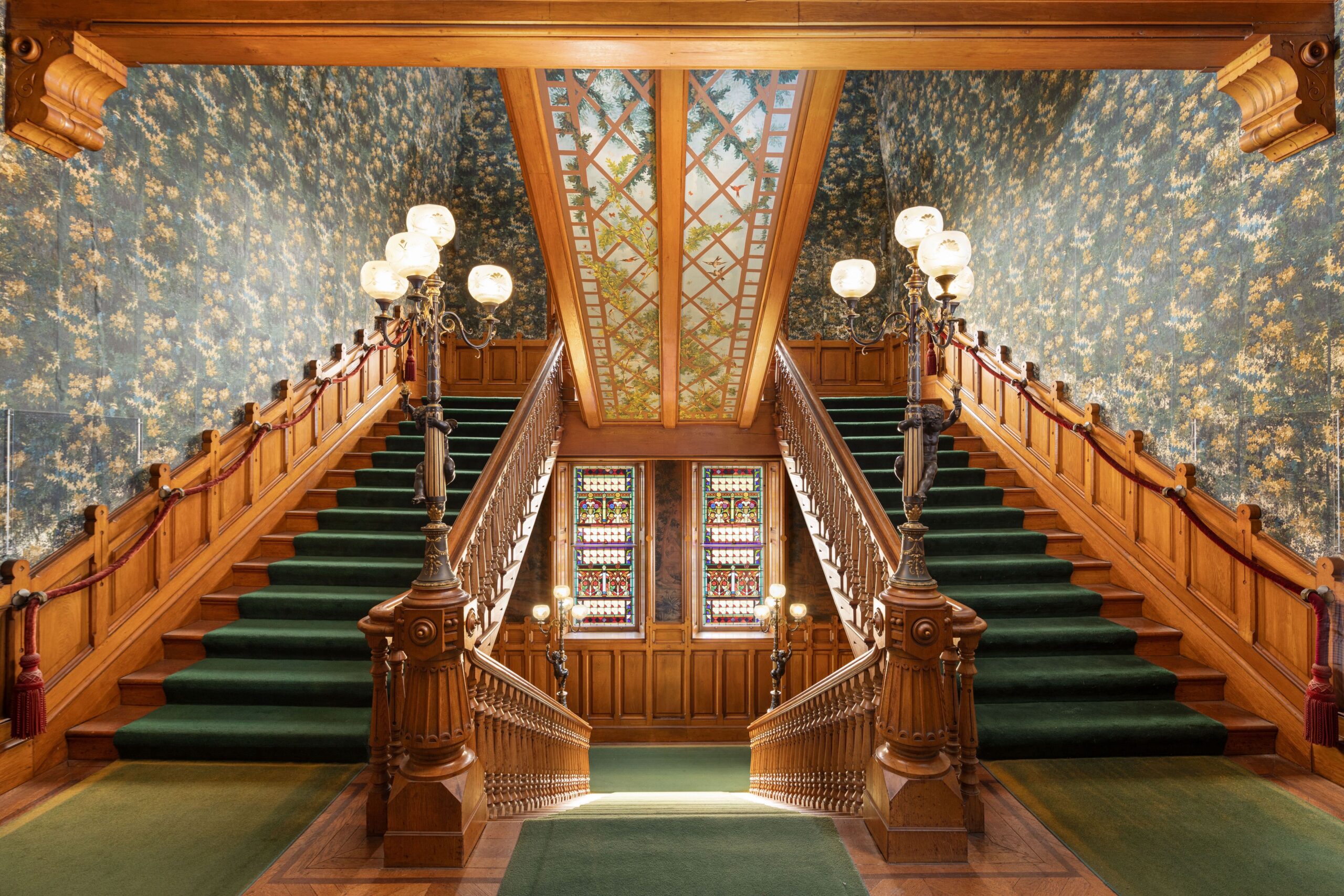
We base much of our new interpretation on practiced museum pedagogy, making certain our written and spoken interpretation feels approachable and understandable to guest from various, diverse backgrounds; our audience is truly everyone. As we saw over 900,000 visits in 2025, with guests experiencing many of our tours in different language translations we offer, we recognize that we have an important role to play in welcoming people with aesthetic wonder and sending them off with inspiring, engaging knowledge about the past.
How do you think the GAPE is reflected in our contemporary moment? What can the public learn from the Preservation Society’s collection?
We have HBO to thank for much of the splash around the GAPE right now. For the first time in decades, the end of the 19th and beginning of the 20th Century are receiving interest from broader popular culture. Our job is to make sure fact is separated from fiction. Further, with real reflection, we believe the public has started to relate our present to our past, particularly with respect to this historical era. Monopolies, “ultra wealth,” labor disputes, mass immigration, fast-paced innovation, politically charged gatherings, and distrust in journalism, among so many other subjects, have taken over our lives. The reality is that this cultural phenomenon is anything but; it started with the Gilded Age and Progressive Era.
Leslie B. Jones serves as the Director of Museum Affairs and Chief Curator for The Preservation Society of Newport County, overseeing curatorial research, conservation, collections management, site stewardship, exhibitions, interpretation, and programmatic initiatives such as family programs and lectures. She directs the Research Fellows program, which annually hosts six emerging scholars who focus a year of work on dedicated collections-driven opportunities. Previously, Jones was the Vice President, Museum Affairs & Curator of Decorative Arts at Cheekwood Estate & Gardens and Director of Historical Resources & Programming for the White House Historical Association. Both roles included major preservation projects, including the revitalization of the White House Visitor Center (2014) and the restoration of Cheekwood’s c. 1930s domestic spaces (2017). She received her Bachelor’s degree in the history of art and architecture from Miami University in Ohio, a Master’s degree in the history of decorative arts from the Smithsonian Institution’s joint program with the Corcoran College of Art + Design, and later went on to receive a Masters Certificate from New York University in the study of art appraisal and valuation.


Emily Parrow
A Content Editor for the SHGAPE Blog, Emily Parrow is an independent GAPE scholar with a background in museums and public history. She lives in Rhode Island, where she serves on the Preservation Society of Newport County’s fundraising team. Her M.A. thesis explored the physical and social evolution of nineteenth-century Newport through the eyes of social arbiter Ward McAllister. Most recently, she co-authored an article on President Chester A. Arthur.