
By Emily Parrow
June 1, 2026
In our newest series, “Field Notes: Public History in the GAPE“, we explore two questions: How is the general public connecting with GAPE history today, and who is working behind the scenes to make this engagement happen? The series is edited by Emily Parrow.
Located in Chicago, the Driehaus Museum engages guests through architecture, art, and design within the 1883 Nickerson Mansion and the 1926 Murphy Auditorium. In this installment of “Field Notes,” Guest Services Coordinator Liz Ferry shares how the Museum’s rich interpretational scope, talented staff, and growing network of institutional connections help preserve these truly unique spaces and tailor the guest experience for maximum engagement. You can follow them on Facebook and Instagram.
Driehaus Museum Executive Director Lisa Key will join other museum leaders on June 6 for the Closing Plenary of the SHGAPE Conference. We hope you can join us there to explore Chicago in the Gilded Age from a public history perspective.
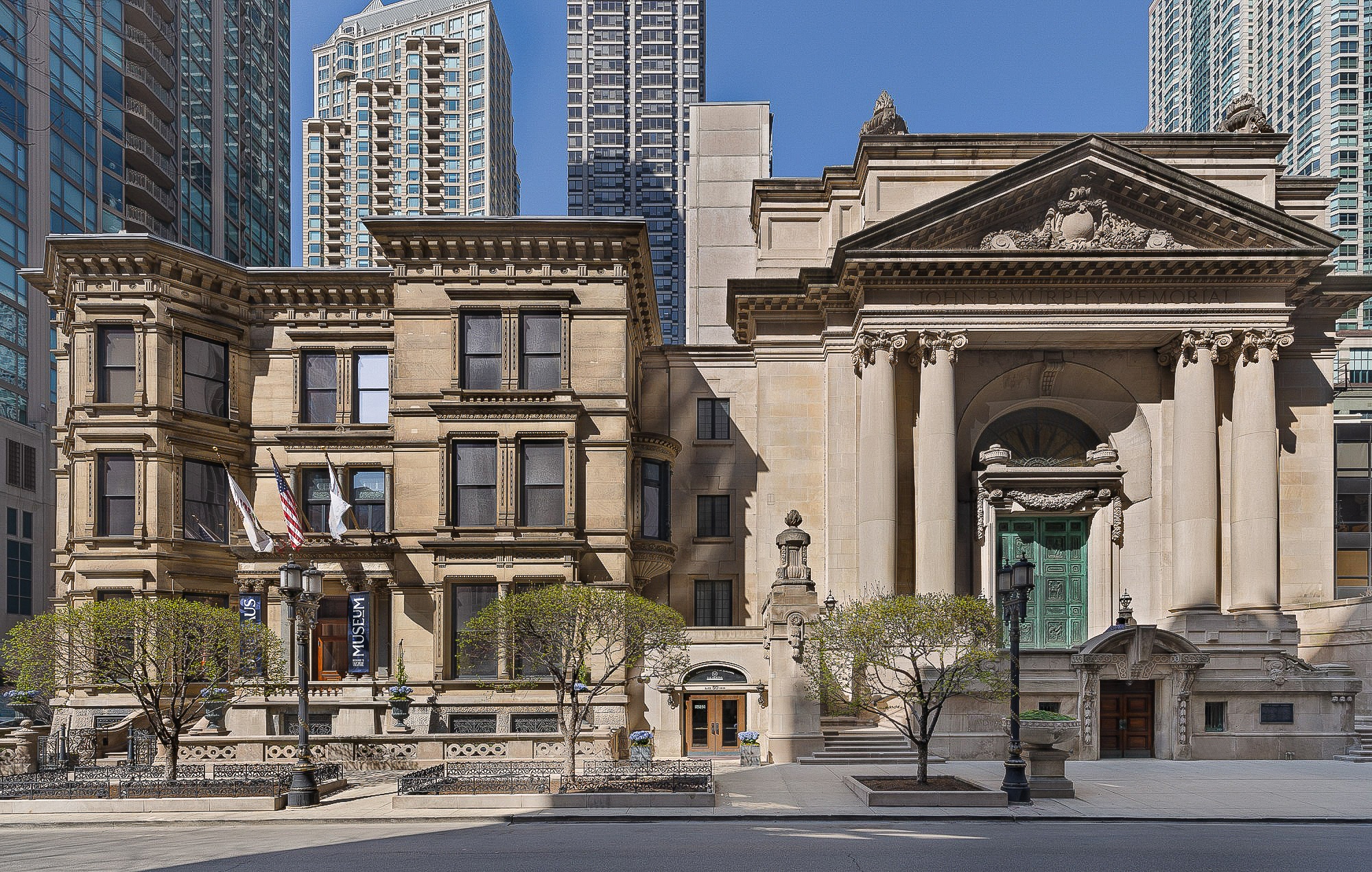
Tell me a bit about your institution’s scope and focus. What makes it unique?
The Driehaus Museum is a museum of art, architecture, and design housed in a Gilded Age mansion and a Progressive Era auditorium. Both buildings have been carefully restored and feature our collection of fine art and interior design from the late 19th and early 20th Centuries and a rotating, temporary exhibition schedule, which includes an annual contemporary exhibition series featuring contemporary artists inspired by and in conversation with the physical environment and time period.
How does your institution interpret GAPE history? What tools are you using?
I feel very fortunate to interpret GAPE history in such an immersive space. As soon as guests walk into the Museum, they are transported back in time to the turn of the 20th Century. We also accent the fabulous interiors and collection with a wide range of interpretive tools like historic photographs, archival records, audio tours, touch panels, and in-gallery iPads. We collaborate with artists working in mediums found in our collection like stained glass, bronze, and printmaking to understand the processes behind creating art. Connecting with experts, and even taking a workshop from them, is illuminating for both staff and visitors!
Tell me about your current position. What does a typical day look like for you?
I am a Guest Services Coordinator with a focus on research and interpretation. I welcome guests to the Museum, write guided tours, and train docents, along with anything else that needs to be done to make sure our patrons have a great experience. I also work with local college professors and students who want to incorporate the Museum into their curriculum and schoolwork.
Can you describe a noteworthy finding, exciting research rabbit trail, encouraging public response, or other insight that occurred through your work?
The Driehaus Museum has lots of great relationships with outside organizations that have provided amazing insights into our buildings and collection. We have recently connected with the archivist and artists at the Willet Stained Glass Studios, whose founder designed an amazing window in the Museum’s Murphy Auditorium. Working with the Studio, we have learned so much about Anne Lee Willet, the amazing artist and pioneer in American stained glass, which we have been able to incorporate into the Museum’s interpretation. I have also worked with several classes of Public History students at Loyola University Chicago taught by Dr. Pat Mooney-Melvin and Dr. Elizabeth Fraterrigo. Every time I work with a group of students, I learn something new. We have also been able to connect some students with the Willet Studios, which has strengthened our network and developed new avenues for continued research and exploration. As a graduate of the LUC Master of Public History program myself, I feel very fortunate to be able to offer a space for emerging historians to apply their skills in a practical setting and broaden my own understanding of the GAPE period along the way!
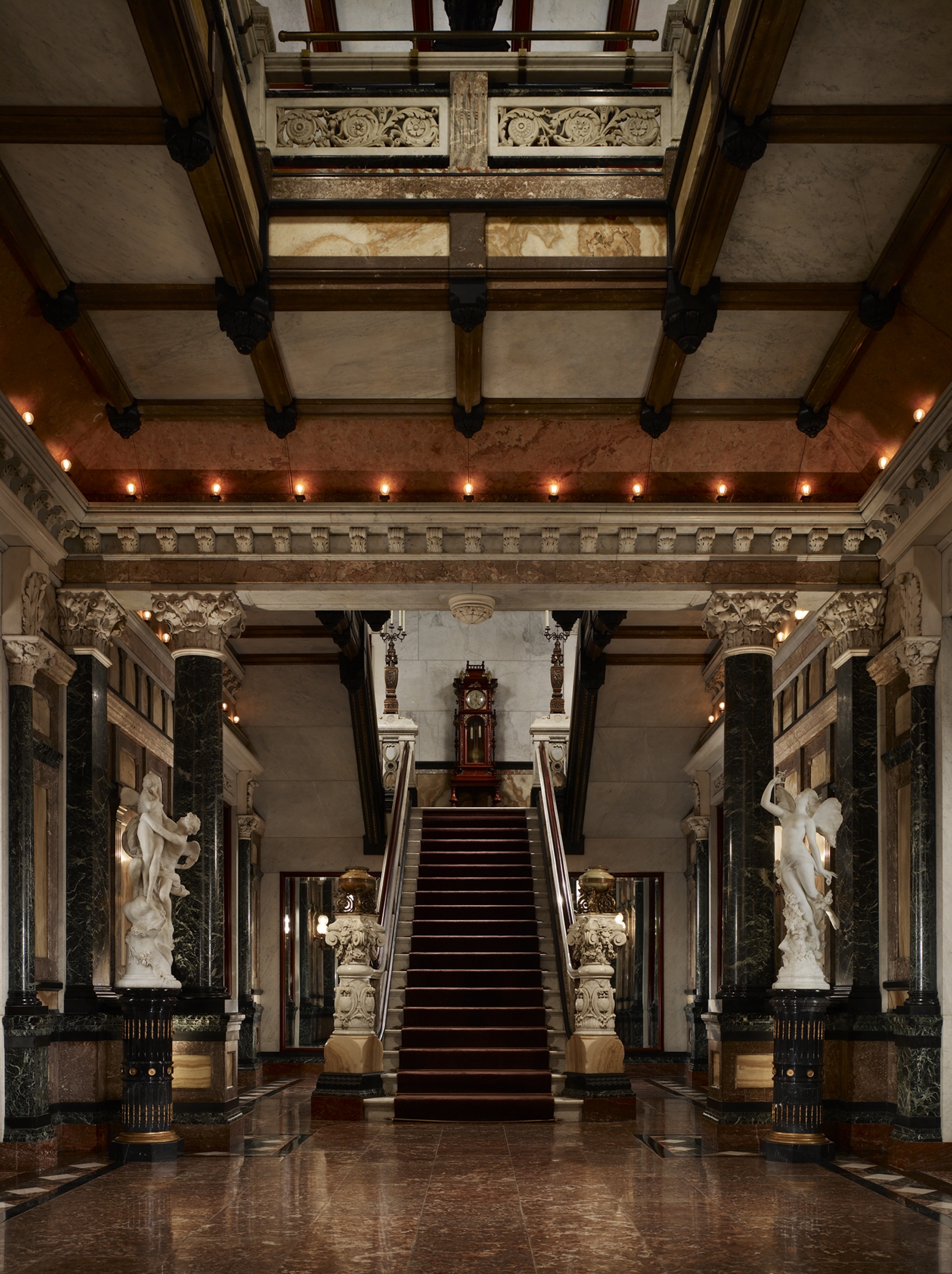
Who is your audience? Does that shape your presentation of this history?
Located right off the Magnificent Mile in downtown Chicago, the Driehaus Museum attracts a wide audience, from lifelong Chicagoans and students of architecture and design to international tourists. Our team has learned to adapt our interpretation to visitors’ interests; if they are architecture enthusiasts, for example, we can expand the tours to satisfy their curiosities. If they are international tourists, we make sure to contextualize the city’s history. Our docents also have varied backgrounds, ranging from history to fine art to architecture and beyond. They bring their own passion and knowledge when interpreting the past, making each guest interaction unique and meaningful.
How do you think the GAPE is reflected in our contemporary moment? What can the public learn from your institution/work?
Within the past few years, I have noticed an uptick in visitors coming to the Museum and drawing connections between the Gilded Age and current events (I also think HBO’s “The Gilded Age” has helped a bit!). As a public historian, I think it’s important to encourage people to pull on these threads, as well as give them opportunities and resources to learn more about the GAPE. The Driehaus Museum is a living example of this chapter of history, and immersing people in its environment gets people excited about history and reminds them the past is not as far away as we often think.
Liz Ferry is a Guest Services Coordinator at the Driehaus Museum working with a focus on research and interpretation. In 2023, she received her master’s degree in Public History from Loyola University Chicago, where her research focused on Gilded Age women’s organizations.
Cover Image
Tiffany Studios (American, 1902–32) curtain border floor lamp, 1899–1920, from the Driehaus Collection of Fine and Decorative Arts. Photo by Alexander Vertikoff, 2011.


Emily Parrow
A Content Editor for the SHGAPE Blog, Emily Parrow is an independent GAPE scholar with a background in museums and public history. She lives in Rhode Island, where she serves on the Preservation Society of Newport County’s fundraising team. Her M.A. thesis explored the physical and social evolution of nineteenth-century Newport through the eyes of social arbiter Ward McAllister. Most recently, she co-authored an article on President Chester A. Arthur.